
Every pilot flying summer evenings knows the sound of bug season, and every leading edge shows the evidence by the time the aircraft is tied down. It reads as a cosmetic nuisance. It isn’t. Insect residue is one of the more chemically aggressive things an airframe wears, and the way it comes off matters as much as how soon.
What a bug strike actually leaves behind
Insect remains are a package of problems: body fluids that are mildly acidic, proteins that bond to a surface as they dry, and chitin, the hard shell material, which is abrasive in its own right. On a summer ramp, heat cures all of it. Residue that would have rinsed off after an evening flight becomes, two sunny days later, a hardened deposit that has begun etching into whatever it landed on.
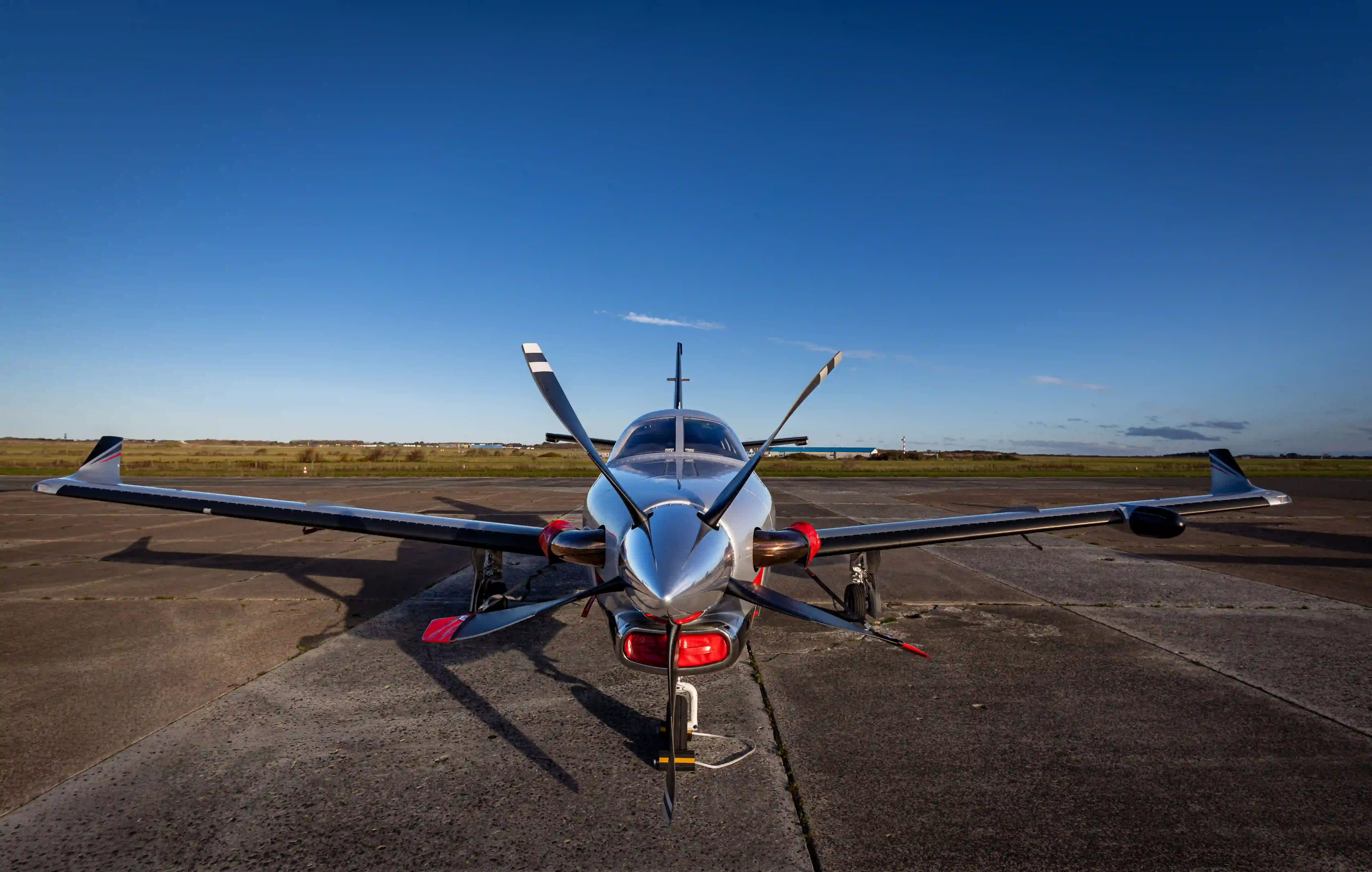
Where it lands is the other half of the problem. Strikes concentrate on leading edges, cowlings, struts and the nose, the exact surfaces that take the most airflow, show the most, and on many aircraft carry either polished metal or the thinnest, most-worked paint.
What it does to paint
On painted surfaces, the acids in insect residue etch faint craters into the finish as they dry. One strike is invisible; a season of them leaves leading edges hazed and rough while the rest of the wing still shines. Oxidized paint fares worse, a porous surface gives the residue more to grip and deeper places to work into. And etching compounds over time: each mark is a spot where the paint’s protective surface has been opened, which is exactly where UV and the next round of contamination go to work.
What it does to brightwork
Polished aluminum takes bug season harder than paint does. A mirror finish is a perfectly smooth surface; acidic residue left to bake interrupts that smoothness with microscopic pitting, and pitting is cumulative, every pit scatters light, and enough of them turn a mirror into a smear. Restoring pitted brightwork means polishing metal away to get back below the damage. Material that took years of careful maintenance to keep can be spent in one neglected summer.
The removal mistake that outdamages the bugs
Here’s the part that catches even careful owners: more leading-edge damage comes from bug removal than from the bugs. The instinct on the ramp is a dry rag and pressure, which drags chitin shell fragments across the surface like sandpaper and grinds the residue in rather than lifting it off. The second instinct is a strong household cleaner, which softens the bugs and attacks the paint or the metal’s protective wax along with them.
Proper removal is patient instead of aggressive: soak or encapsulate the residue until it releases, then lift it with clean media and aviation-safe chemistry, the method our exterior dry wash is built around. The difference is invisible on any single wash and unmistakable after a few seasons.
The cheat code: don’t let bugs touch bare surfaces
The easiest bug season is the one where the residue never reaches the finish. A protected surface, a fresh coat of wax, or better, a ceramic coating, puts a sacrificial layer between the acids and the paint. Strikes sit on top of the protection, release with far less effort, and take none of the finish with them. Coated aircraft come through August looking like coated aircraft; bare ones keep the receipts.
The takeaway
Fly all you want during bug season, just don’t let the evidence sit. Get strikes off within days rather than weeks, get them off with soak-and-lift technique instead of dry pressure, and if your aircraft wears polished metal or paint you care about, put protection on it before the heavy months. Leading edges are the first thing anyone sees on a walkaround; they’re worth defending.