
There is no government license for aircraft detailing. Anyone with a bucket and a step ladder can put “aircraft detailer” on a business card, and on ramps across the country, plenty do. That makes the vetting yours to do — and it comes down to two questions: what happens if something goes wrong, and does this crew actually know what is safe to touch on an airframe?
Insurance is the non-negotiable
The first question has an insurance answer. A detailing crew working around your aircraft should carry general liability coverage sized for aviation work, because the asset they are working on is worth more than most buildings. If a polisher burns through paint, a ladder meets a static wick, or a slip sends someone into a flap fairing, the difference between an insured operator and an uninsured one is the difference between a claim and a lawsuit against someone with no assets.
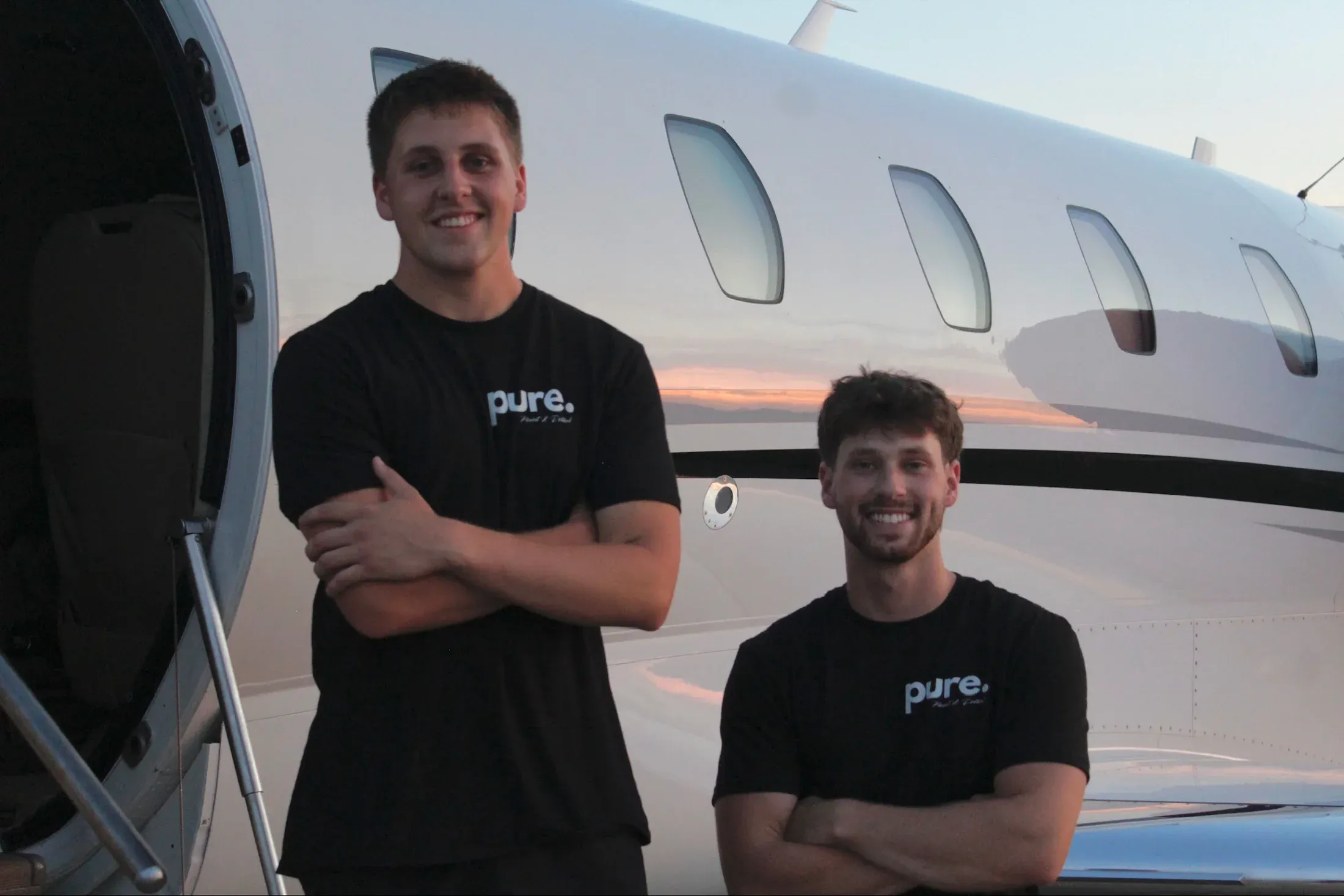
Verifying it is simple: ask for a certificate of insurance before the first job. A professional operator sends one without friction, and your FBO or flight department may already require it for ramp access. If a detailer hesitates on this question, the conversation is over. Pure Aviation Detailing is fully insured, and we provide documentation to any FBO or operator that asks.
What “certified” really means in detailing
Since no regulator certifies detailers, the word means training you can trace. In practice it comes from two places. The first is product-maker certification: coating manufacturers train and approve the applicators allowed to install their products. Our team applies SystemX Max G+, a Boeing-approved aviation coating, under exactly that kind of program. The second is aviation-specific process training: knowing what pitot probes, static ports, brightwork, boots and avionics-bay seams demand, and which chemistries are approved for airframes rather than cars.
That last point separates aircraft detailers from car detailers faster than anything else. Automotive products are engineered for clear coat and steel. Aircraft surfaces include specialized paint systems, polished aluminum, acrylic windows and pneumatic boots, and several common automotive chemicals damage them outright. A trained crew works from the aircraft care guidance published for those surfaces and can tell you, product by product, why each item in the kit is on the aircraft.
Questions worth asking any detailer
A short list does most of the work. Can you send a certificate of insurance today? What aviation-specific training has the crew completed? Which products touch the paint, the windows and the boots, and are they approved for aircraft? Have you worked this aircraft type before? Who on the crew has final responsibility for the walkaround before you call it done?
None of these are gotcha questions. An established aviation detailer answers all five in one email, because the answers are the operating standard, not paperwork assembled for you. The operators we work with across our 89 airports ask them once, file the certificate, and never think about it again.
The takeaway
Price quotes make detailers look interchangeable. Insurance certificates and training records do not. Before any crew touches your aircraft, verify the coverage, trace the training, and ask what is in the kit. Five minutes of diligence protects an airframe worth millions — and any detailer worth hiring will respect you more for asking.